During Autumn 1, our OWWL (Outdoor Woodland Wellbeing Learning) sessions have been full of exploration, creativity, curiosity and purposeful outdoor learning. It has been wonderful to see the children back outside together, learning from the natural world and thinking about the part we can all play in caring for it.
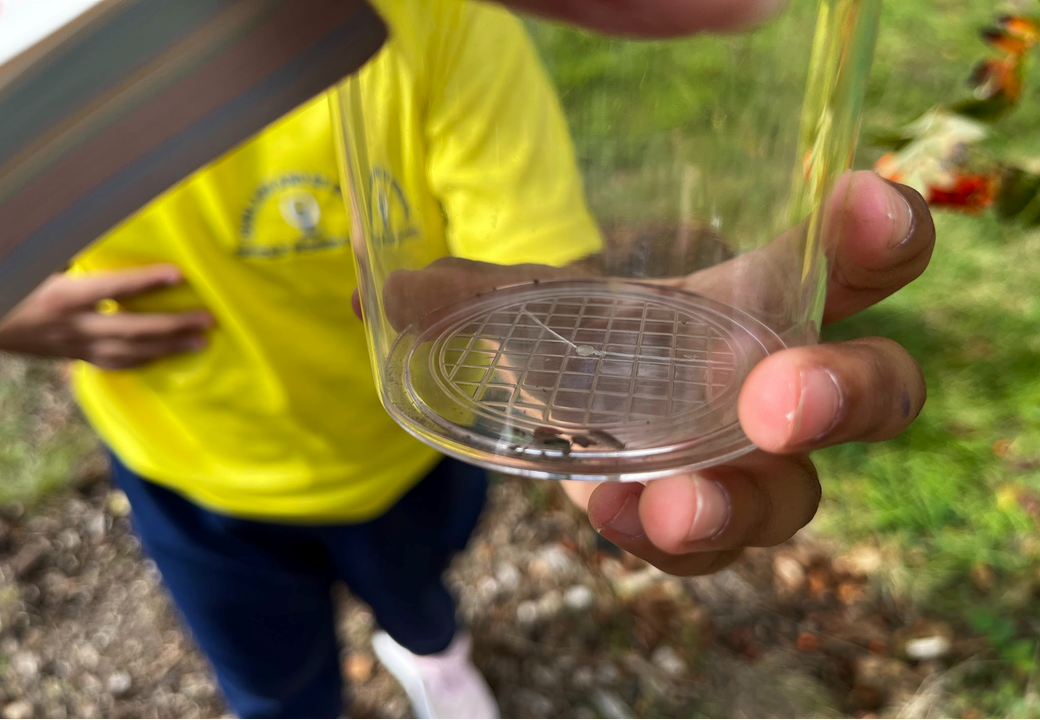
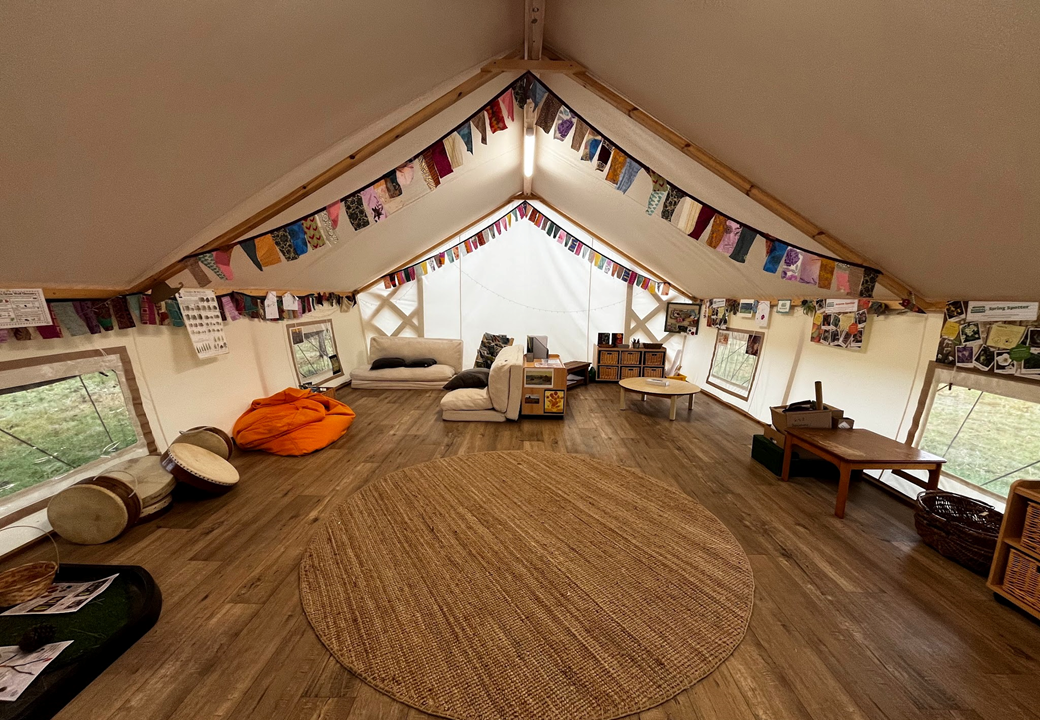
At the heart of our OWWL provision is our amazing Safari Tent! We feel incredibly fortunate to have this wonderful outdoor classroom, which gives our children a dedicated space to learn, create, investigate, reflect and connect with nature. From reading and exploring insects in resin to nature inspired art, games and mindful sound activities, the Safari Tent allows us to take learning beyond the traditional classroom and make meaningful connections across the curriculum.
Much of our learning this half term has linked particularly closely with the United Nations Global Goal 15: Life on Land, which challenges us to protect, restore and care for the ecosystems and biodiversity around us.
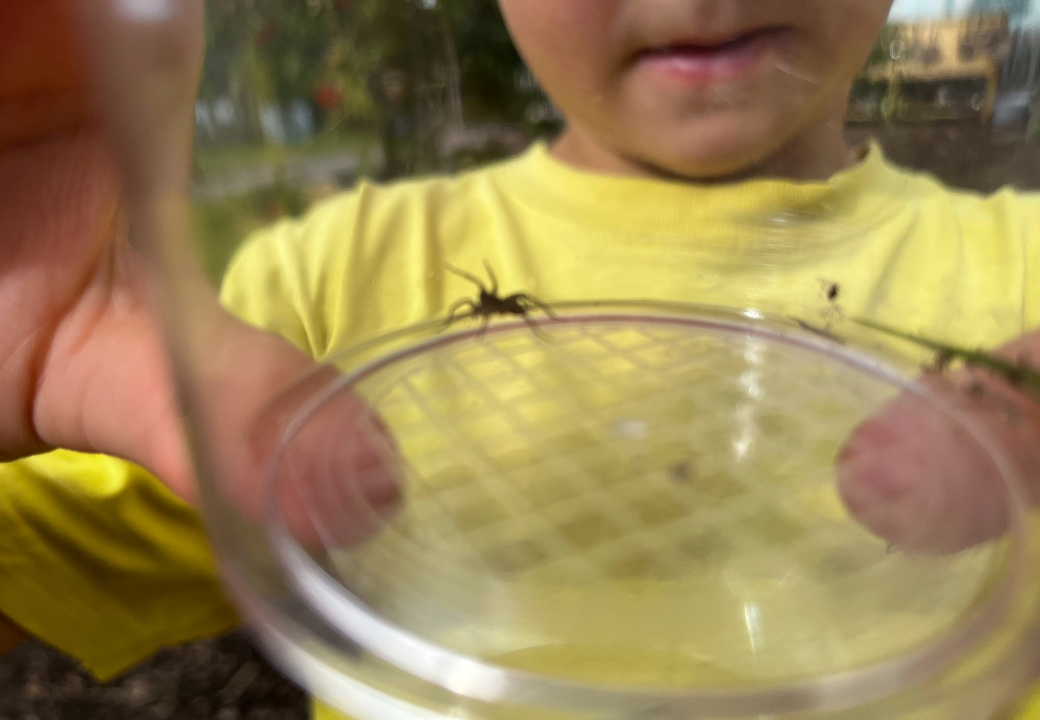
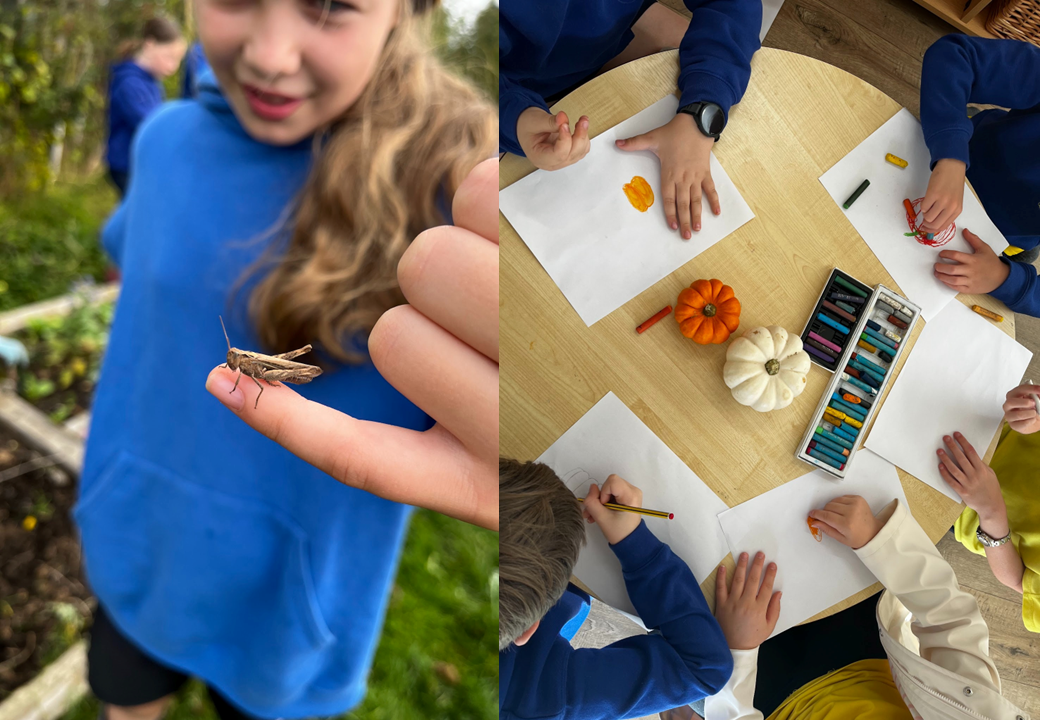
The children have explored our school grounds, investigated what is living and growing here and considered what we could do to encourage even greater biodiversity. Through observing plants, insects and wildlife, children are beginning to understand that even our own school grounds form an ecosystem which we have a responsibility to look after.
We have also seen first-hand how changing weather conditions can affect the natural world. Following the prolonged hot and dry summer, the children explored the impact of drought on plants across our grounds and noticed how little had survived. This provided an important opportunity to think about Global Goal 13: Climate Action, our changing environment and why looking after the natural world matters.
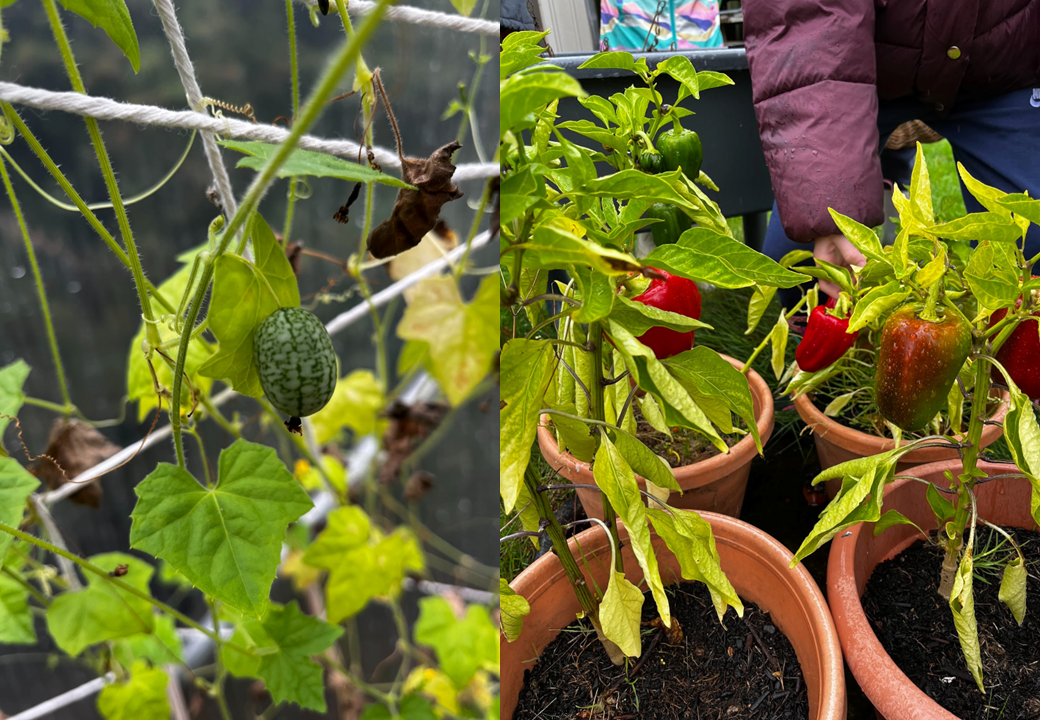
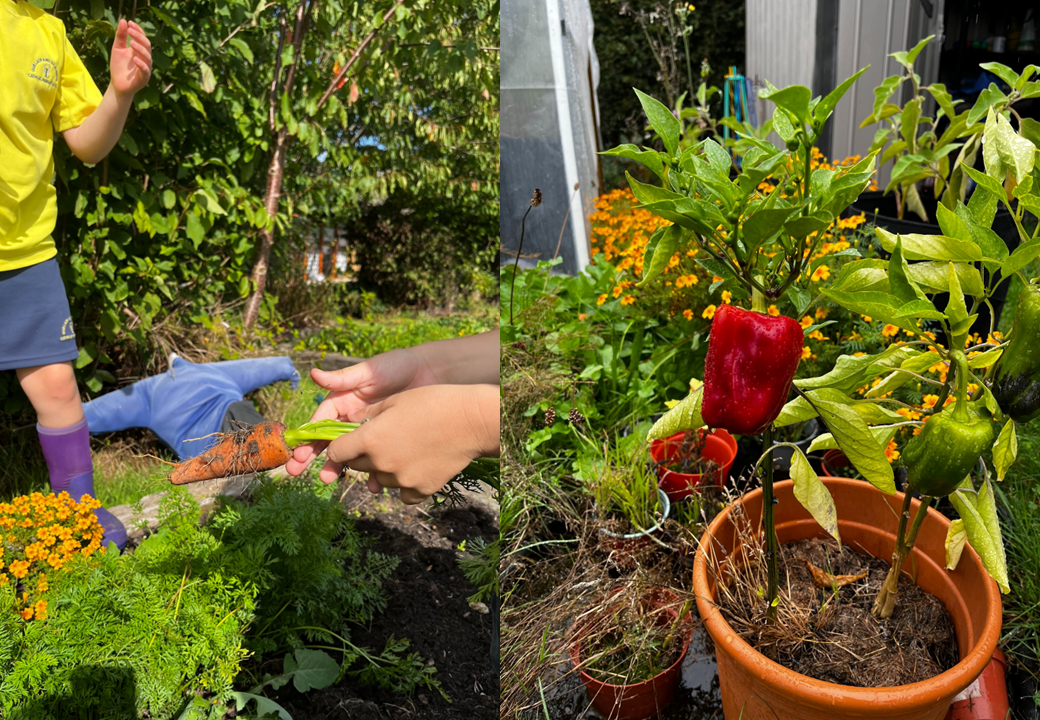
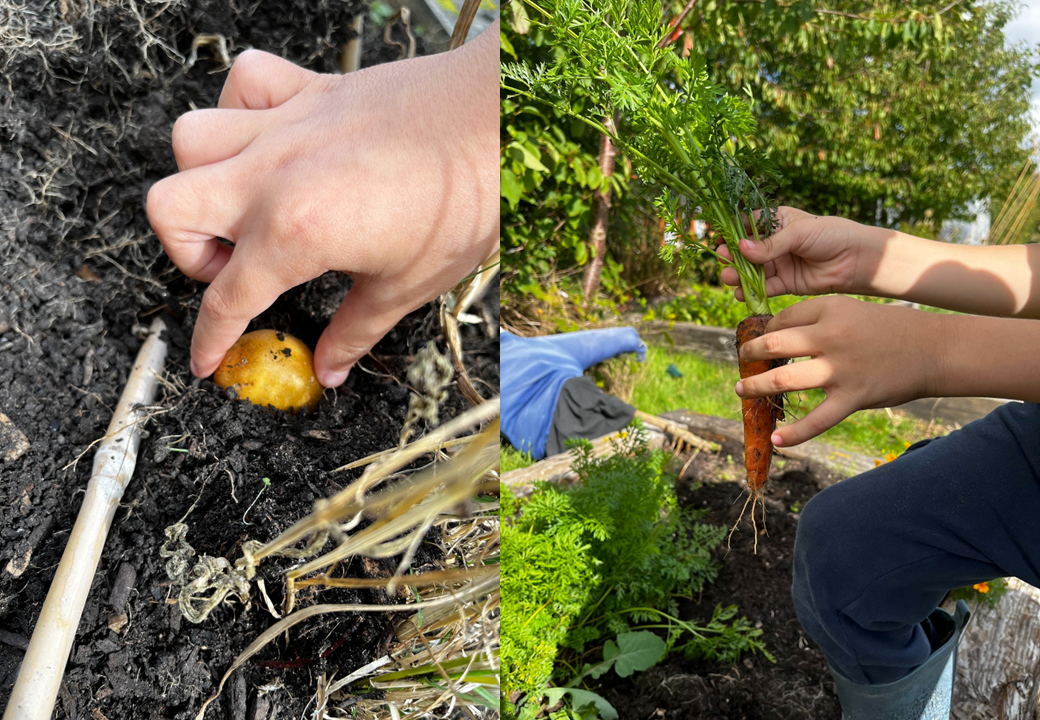
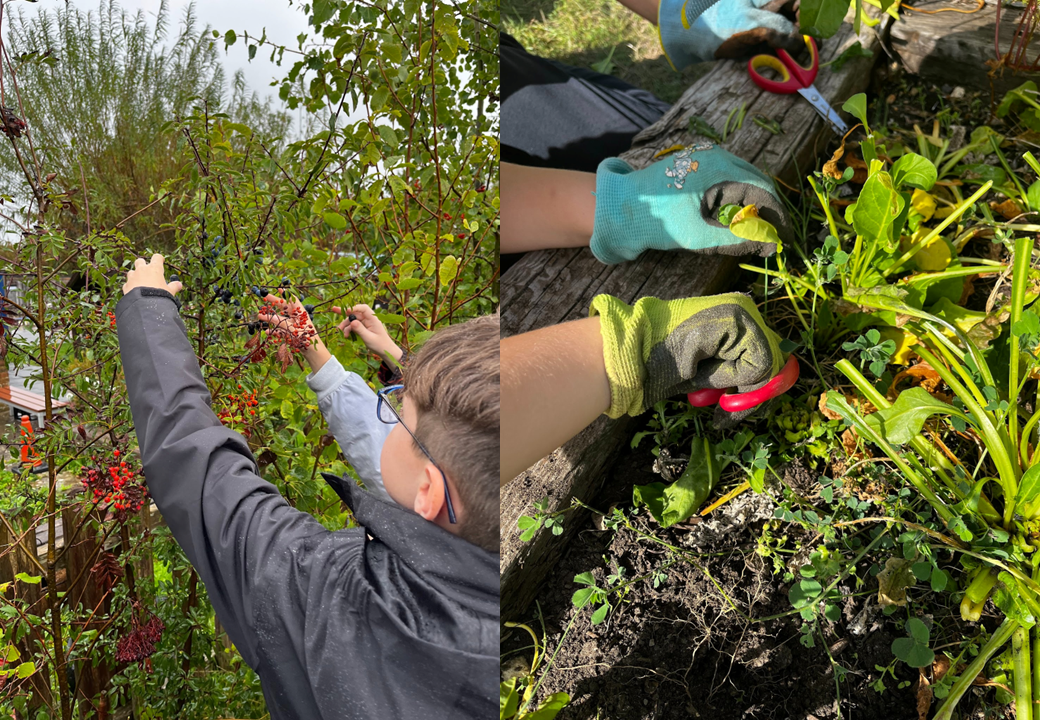
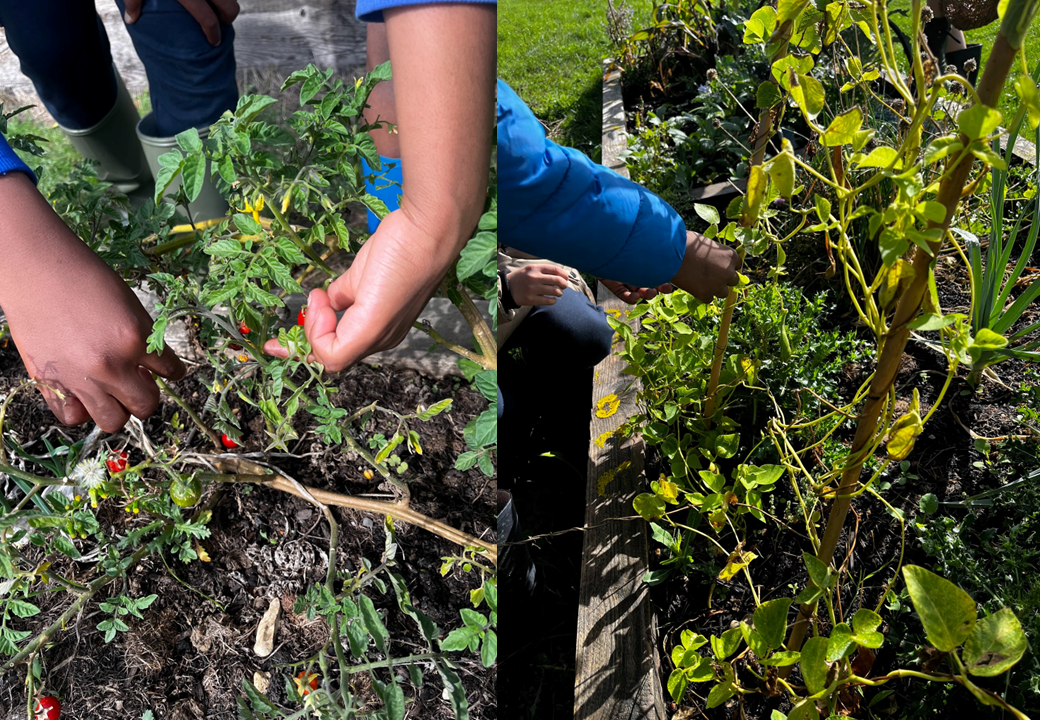
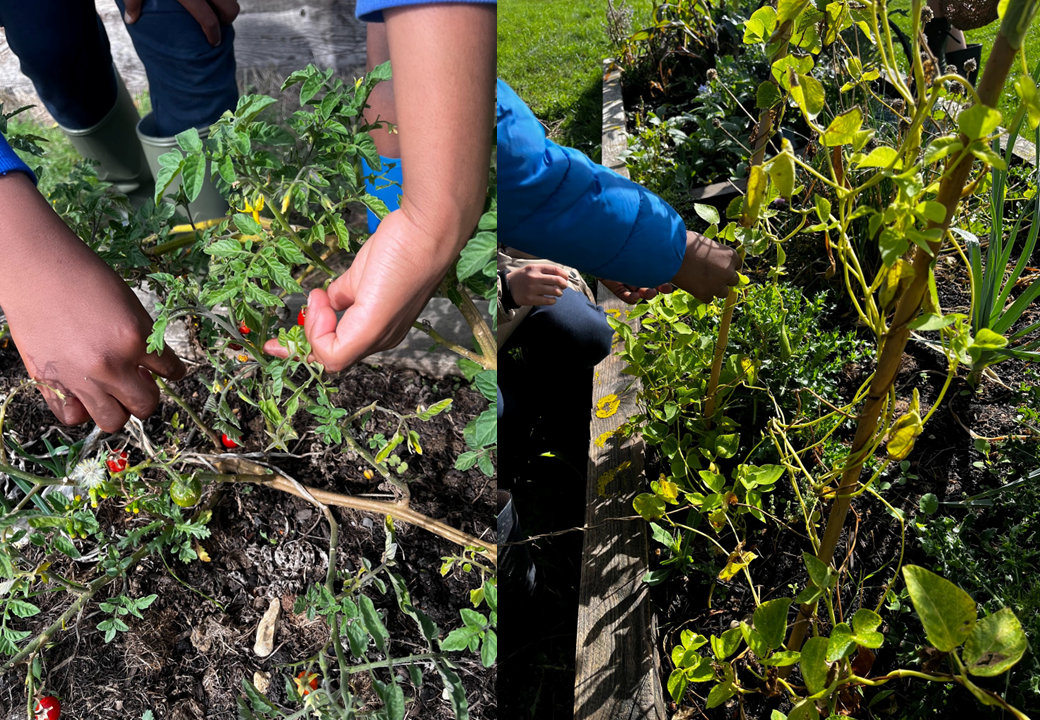
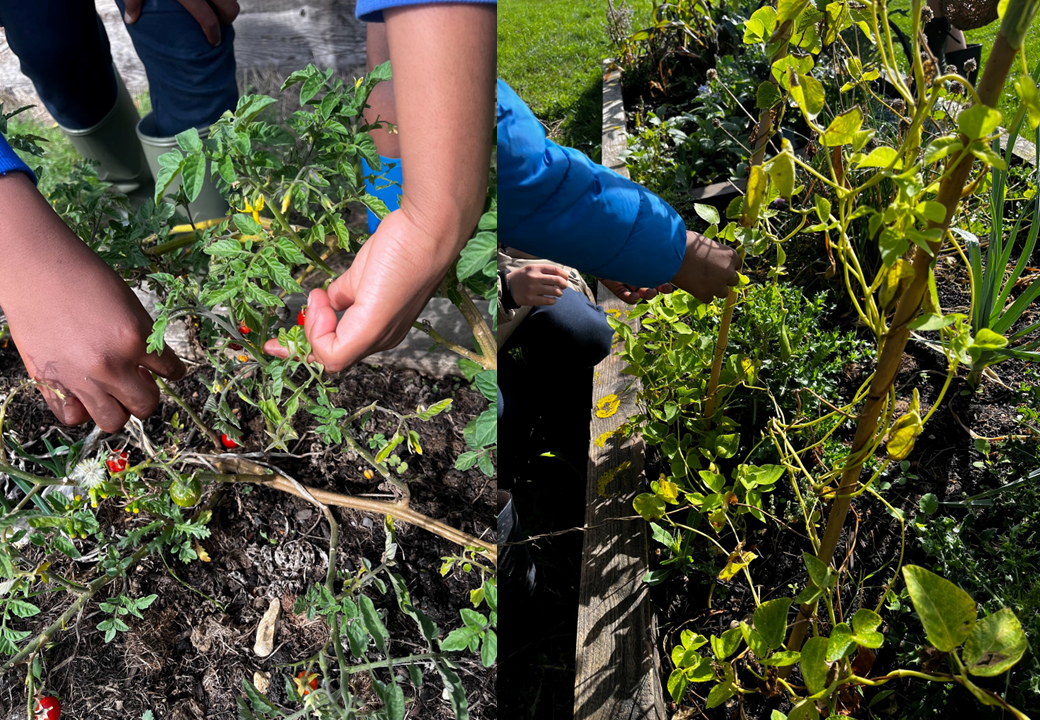
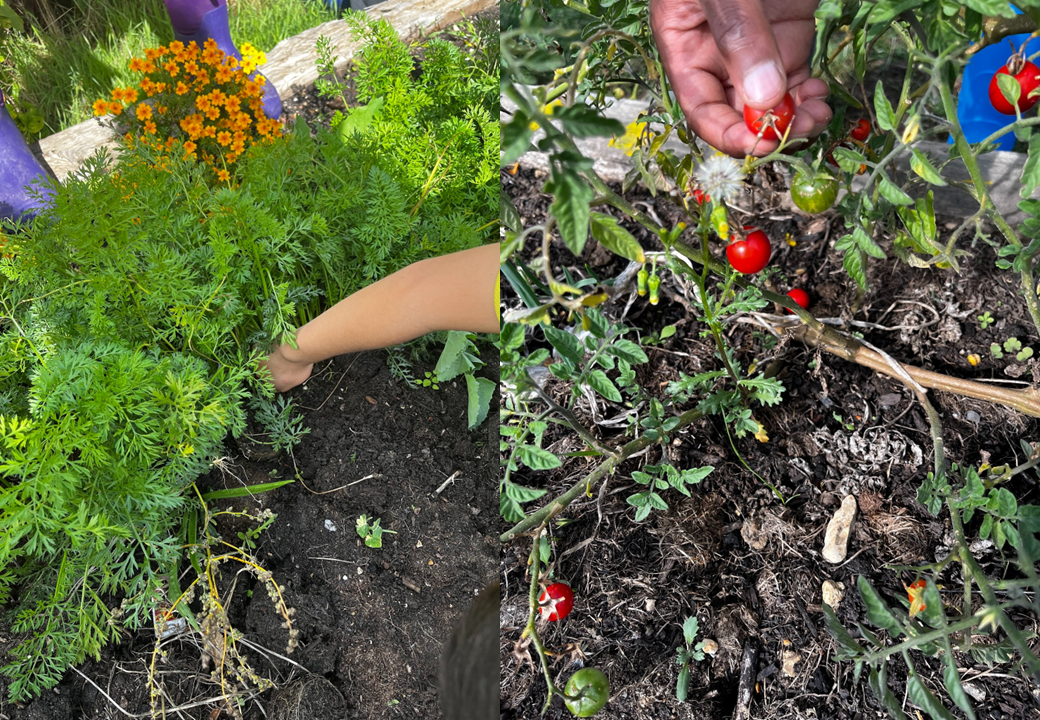
Our school grounds have also provided plenty of opportunities to learn about growing, harvesting and sustainability. Children have safely foraged, learning our important rule of “no pick, no lick”, and discovered an amazing variety of edible plants and produce growing around the school. Sloe berries, plums, carrots, borage, marigolds, rosehips, herbs, potatoes, peppers, cucamelons, runner beans and bay leaves were just some of their discoveries. Rather than letting our harvest go to waste, much of it was shared through our local Kindness Kiosk and with the New Forest Basics Bank, as part of our Harvest Festival, supporting Global Goal 2, Zero Hunger.
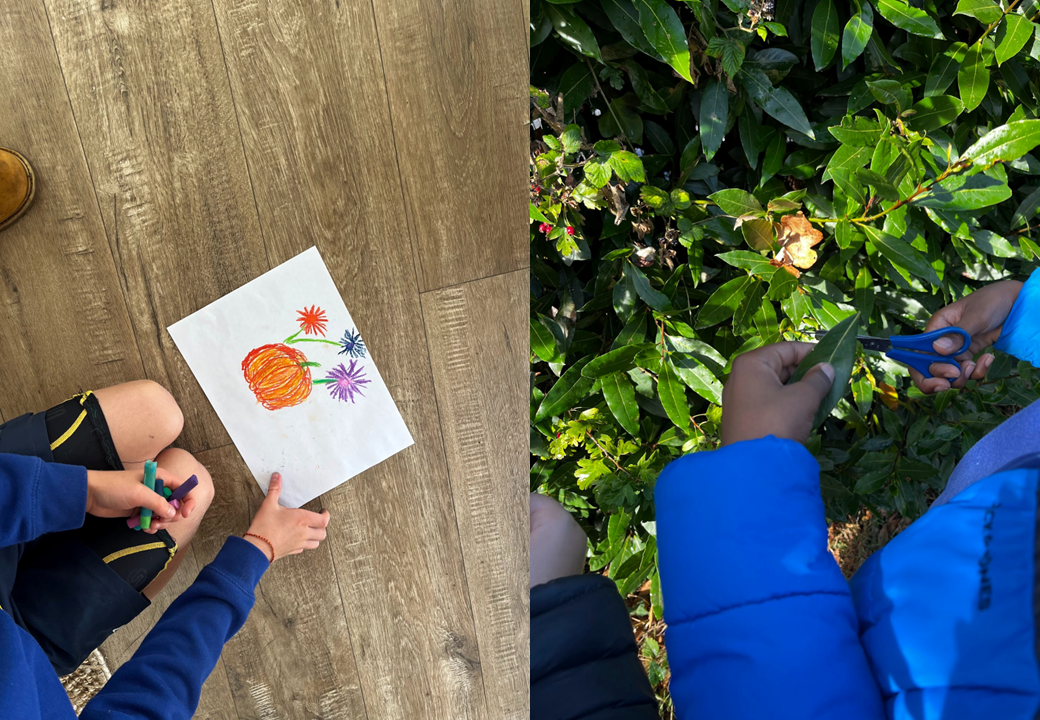
Children have also taken an active role in caring for the grounds by weeding, cutting back vegetables and learning why leaving roots in the soil can help protect soil structure over winter and support future growth. These are small actions, but they help children understand that looking after Life on Land involves making thoughtful choices about how we care for soil, plants and habitats.
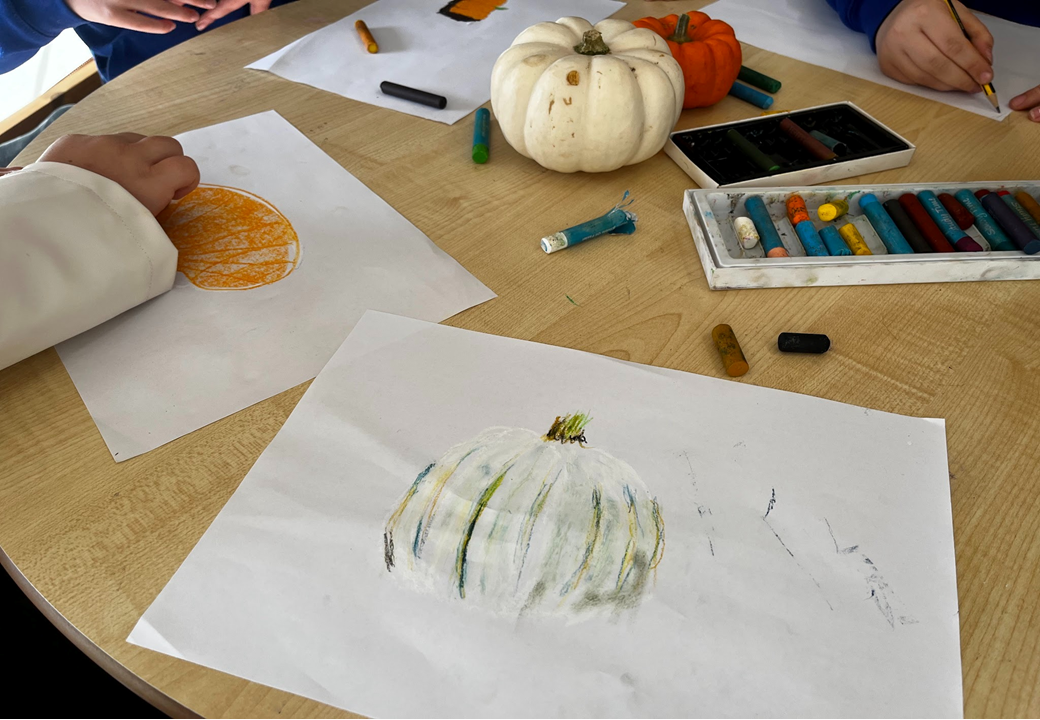
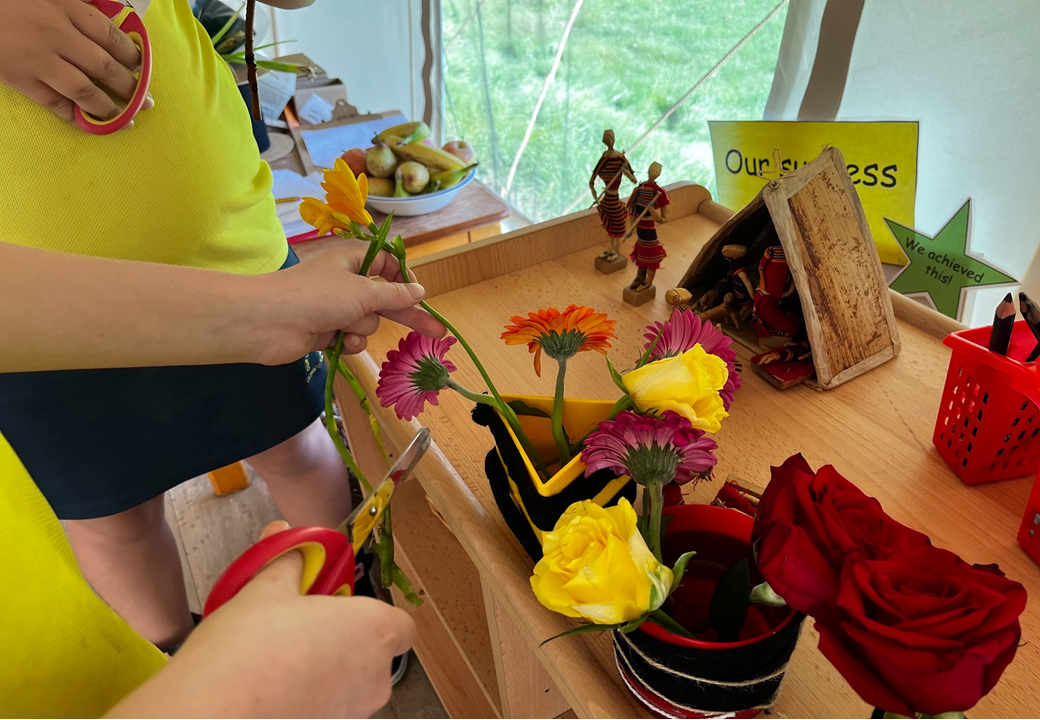
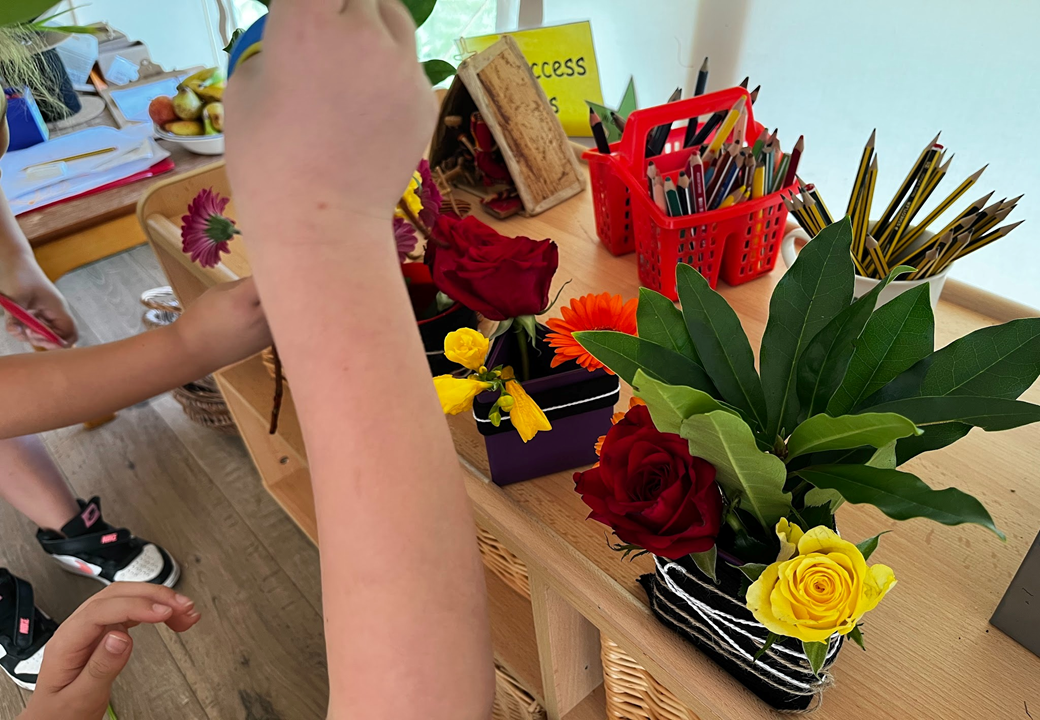
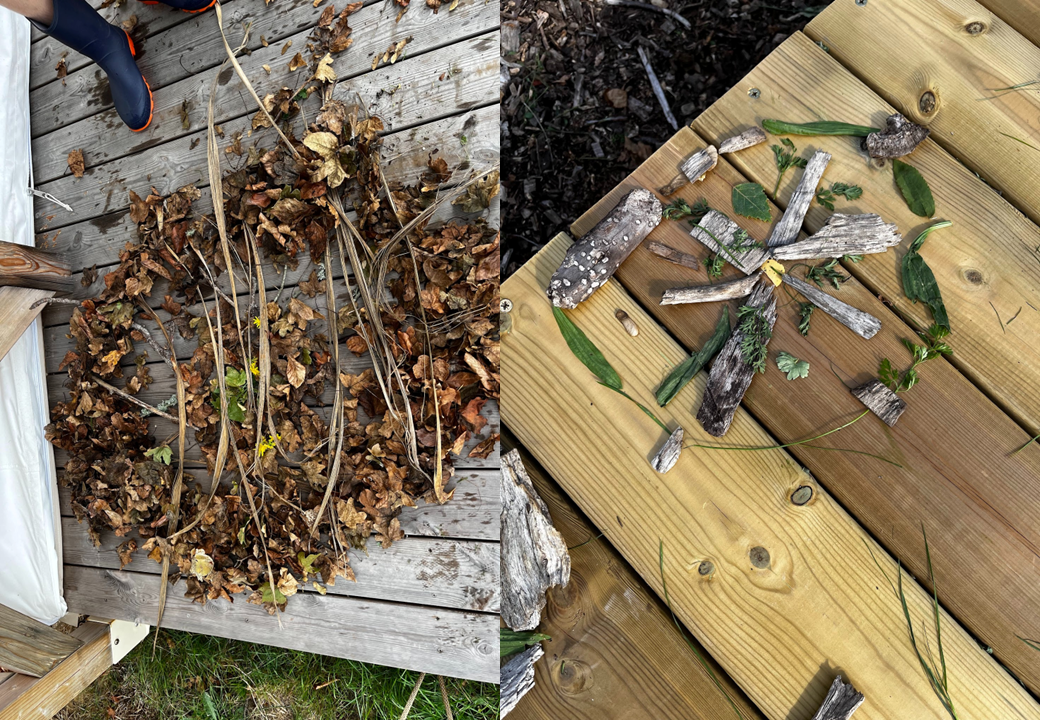
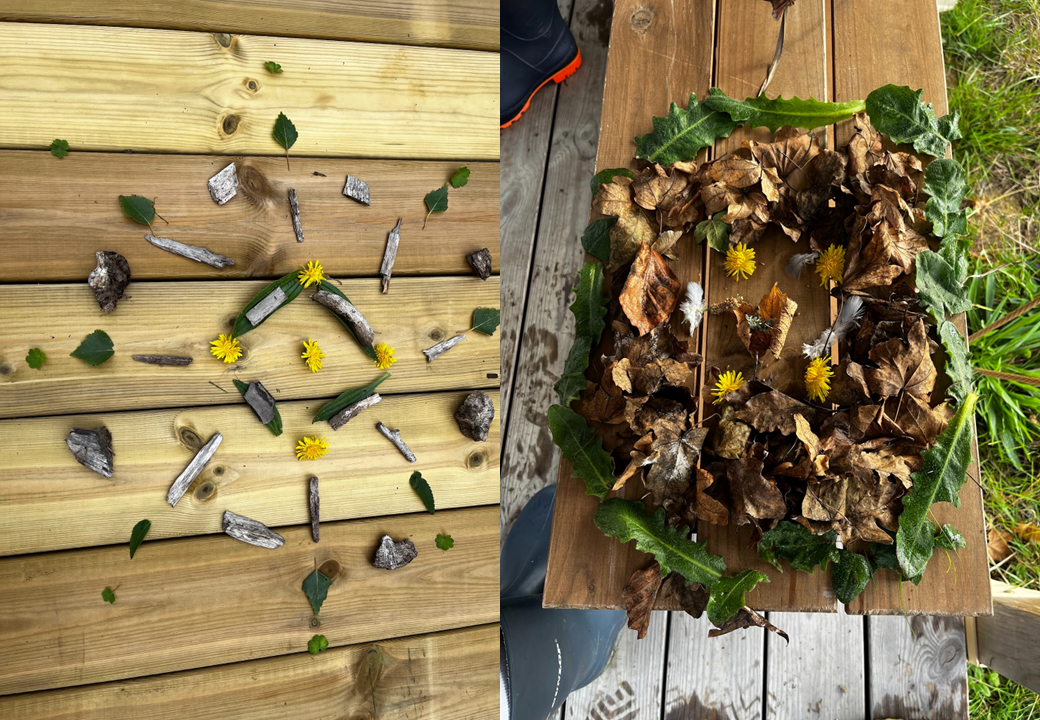
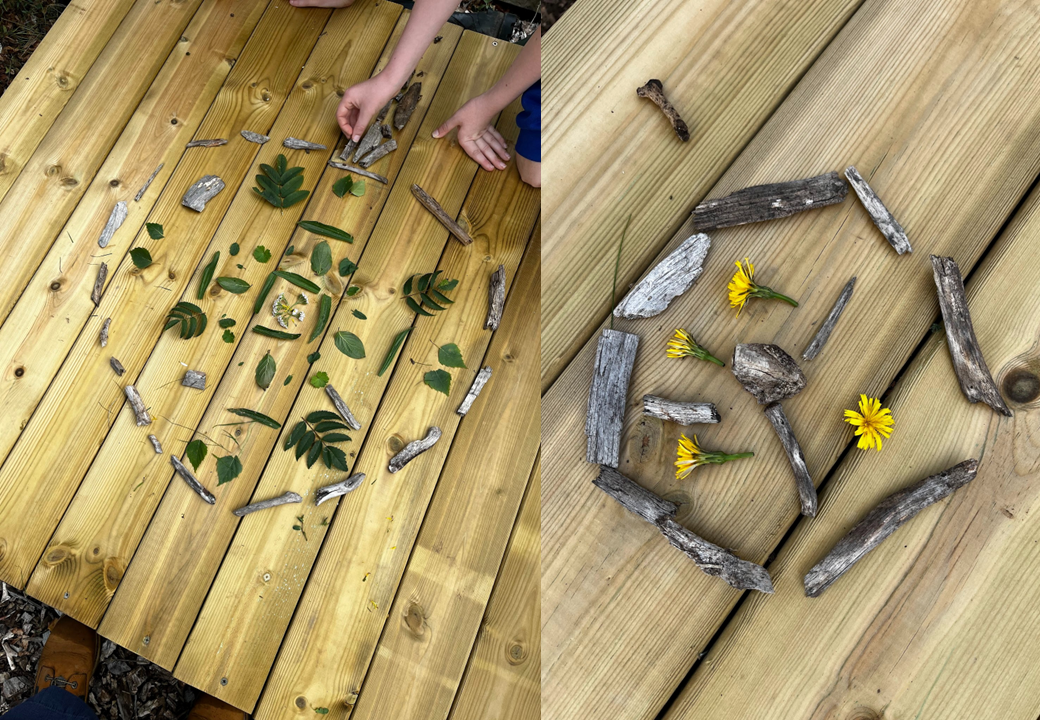
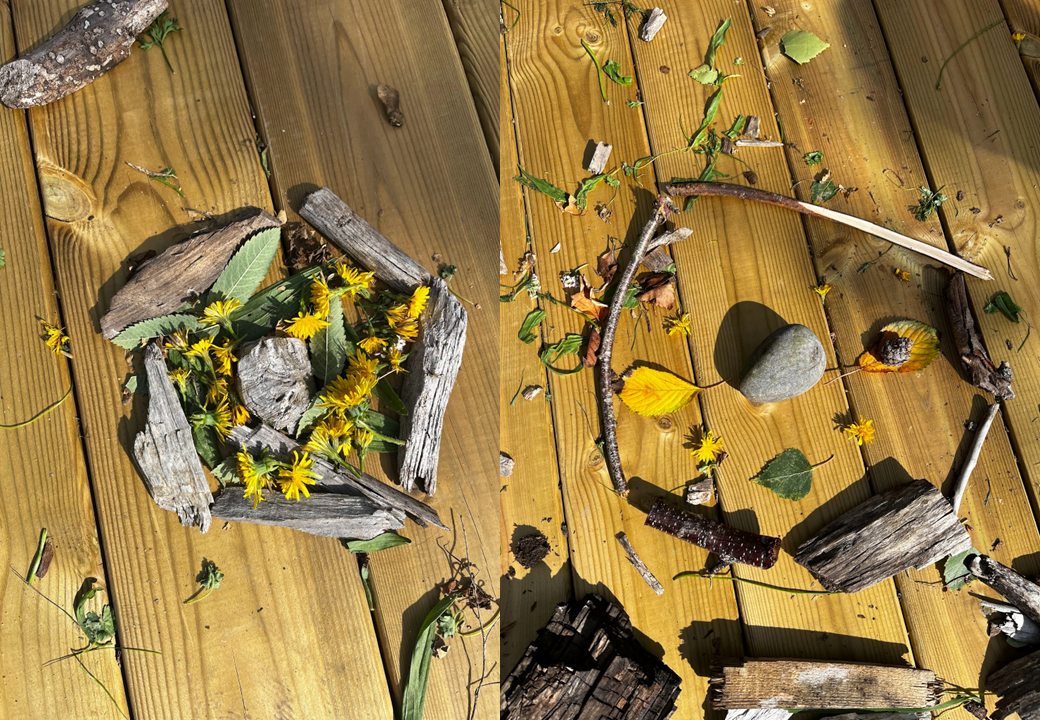
Creativity and wellbeing have remained an equally important part of OWWL. Children have created beautiful nature mandalas, produced still-life drawings inspired by autumnal fruit, vegetables and flowers, experimented with flower arranging, and enjoyed mindful moments creating sounds and rhythms inspired by nature. These experiences connect closely with Global Goal 3: Good Health and Wellbeing, giving children time and space to slow down, notice their surroundings and experience the positive impact of being outdoors.
Ultimately, OWWL is about much more than spending time outside. Through our Safari Tent, gardens and wider school grounds, children are developing knowledge, curiosity, creativity, responsibility and an understanding that they can make a difference to the world around them.